Tesla Model Y tow hitch: ball load, trailer weights and the tyre pressures to change
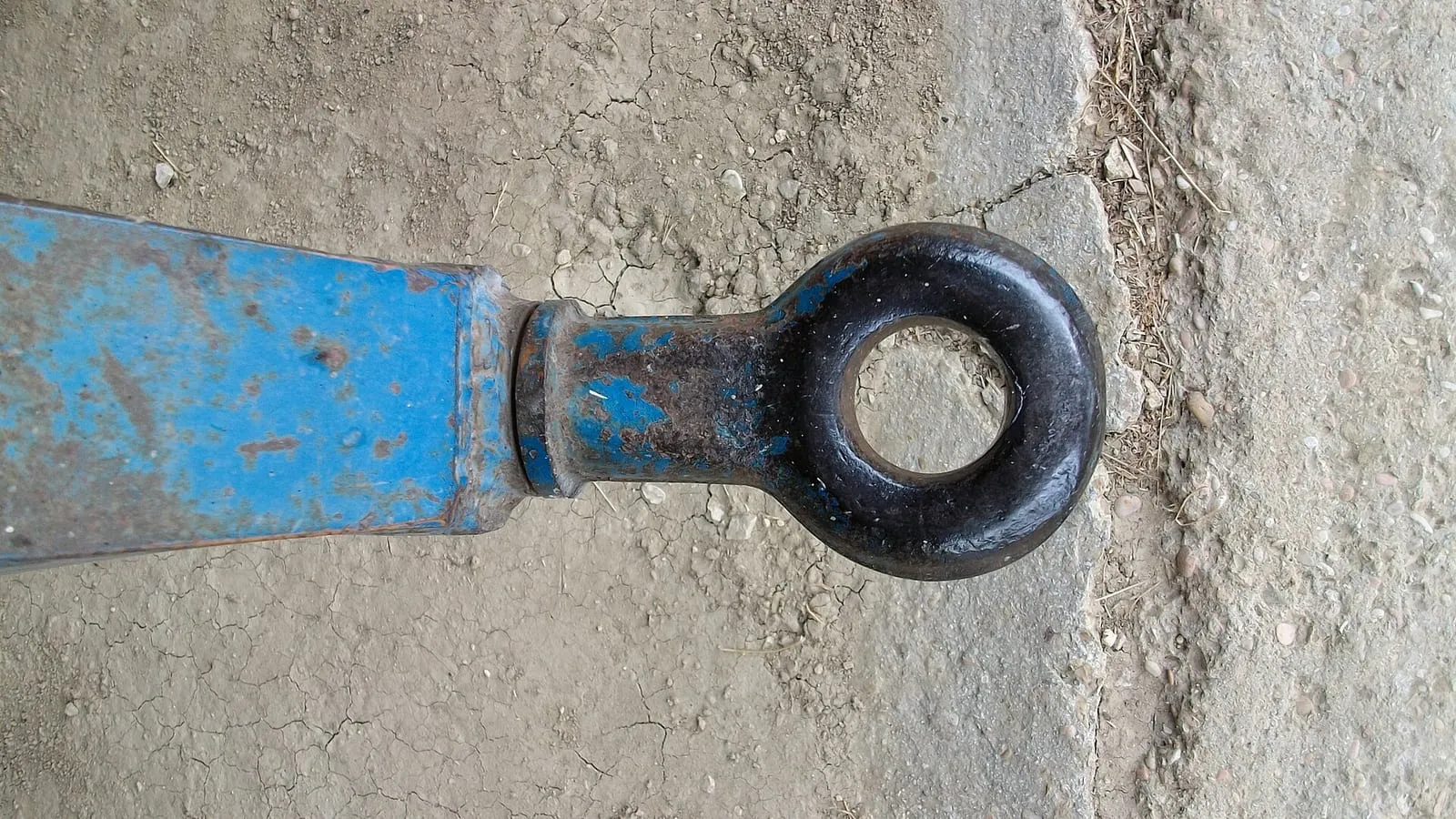
The Model Y towing package includes a weight-carrying hitch with a 50 mm ball, designed to support vertical loads of up to 72 kg when carrying accessories source. That is the first number to know before buying a bike rack for a Tesla Model Y tow hitch, and it includes the weight of the carrier itself.
What the ball can carry with a bike rack
The hitch’s maximum weight capacity with an accessory is 72 kg, carrier included. The manual explicitly asks you to count the carrier in the total: a 20 kg rack carrying two 28 kg e-bikes weighs 76 kg and is already over the limit.
A subtler point deserves attention. The manual explains that with a carrier, the hitch has a lower maximum vertical load than when towing a trailer, because the cargo sits further from the hitch receiver: it is more cantilevered, so the leverage is greater source.
The published weights apply to carriers recommended by Tesla. For others, the manual asks you to measure the vertical and horizontal distances from the ball to the centre of gravity of the loaded carrier, and states that damage caused by non-approved accessories is not covered by the warranty.
Two practical consequences are flagged. A carrier can obstruct the rear view mirror, the rear cameras or the rear ultrasonic sensors, and some driver assistance features may not work as expected. And when it is not in use, the hitch should be removed and stored somewhere dry, with the dust cover fitted over its housing to keep dirt and corrosion out.
Trailers: when brakes become compulsory
The manual gives a two-line recommendation: at 750 kg of towing capacity, trailer brakes are not needed; at 1,600 kg, they are source. It adds that trailers over 750 kg need a separate braking system with an independent controller, and that 1,600 kg is the limit with trailer brakes.
The European edition also gives figures for the trailer itself. The tongue weight, the downward force the trailer puts on the hitch, must be at least 4% of the total trailer load, with a maximum of 100 kg at the coupling point. The Certificate of Conformity, the statutory plate or the hitch label take precedence if they differ from the manual.
The towing package includes the wiring needed to power the lights of a carrier or trailer, and the car detects the connection: an indicator on the touchscreen then shows that Trailer Mode is disabled. Before fitting a carrier, the tow hitch itself must be connected. And a warning covers the whole set-up: trying to install a carrier on a Model Y without the towing package can cause significant damage.
Tyre pressures change too
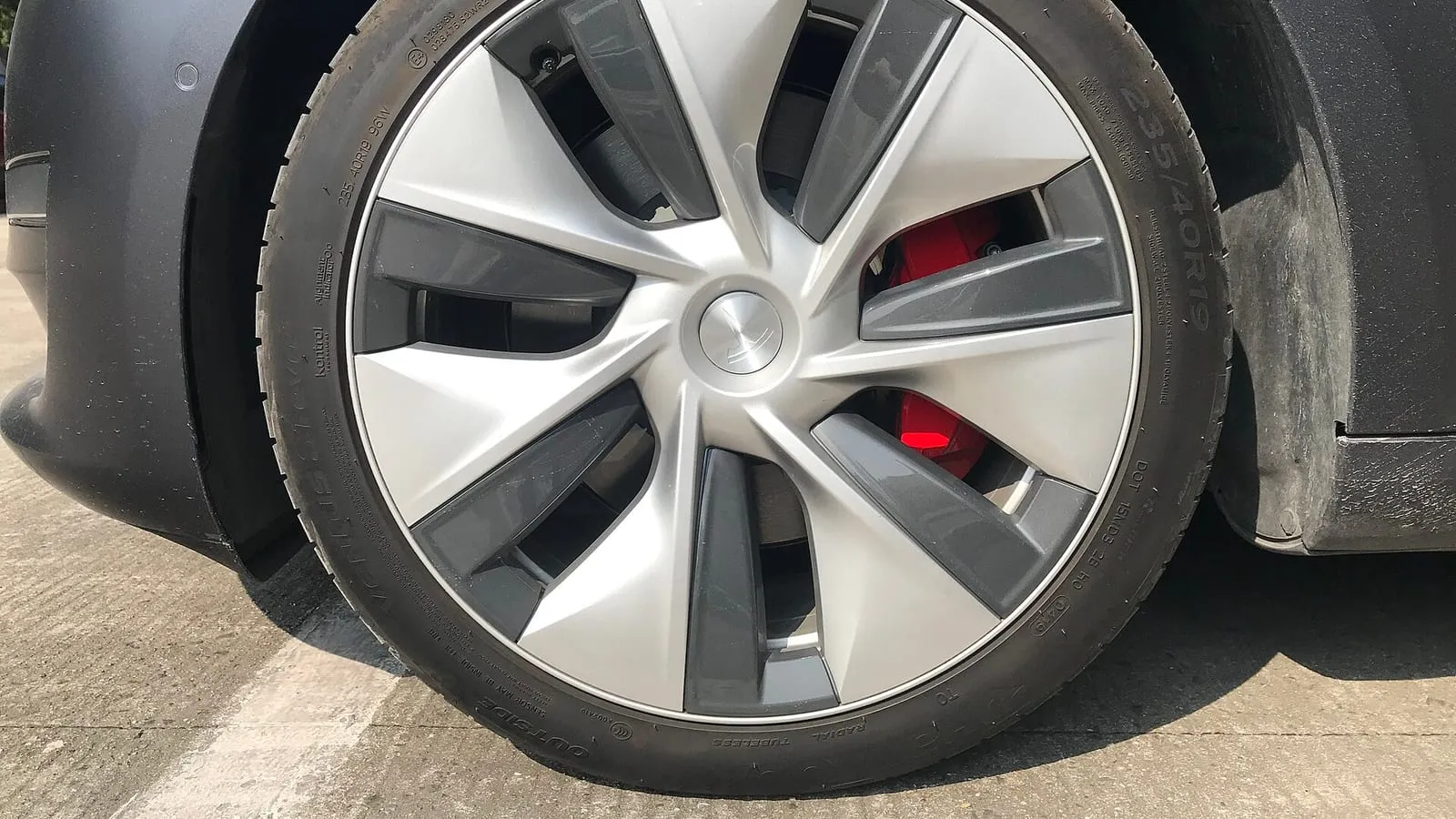
This is the step people forget most often. When towing, the manual sets specific cold inflation pressures, and says they override the Tire and Loading Information label if they differ source.
For a five-seat Model Y, the figure is the same whatever the wheels: 42 PSI, or 290 kPa, on 18, 19, 20 and 21-inch alike. On a seven-seater, it is 42 PSI on 19-inch and 45 PSI on 20-inch, with speed limited to 100 km/h while towing. These values apply to a braked trailer of up to 1,600 kg and a vertical load of up to 100 kg.
Pressures are checked the usual way: cold tyres, car parked for several hours, and an accurate gauge source. Once the trailer is unhitched, go back to the label values, or you will be driving on overinflated tyres for weeks.
Finally, if you tow on snow tyres, the manual asks for them to be of the same load range as the tyres the car came with, and the towing section suggests contacting Tesla Service for advice on towing with winter tyres.
Sources
This article is for information only and written independently. Vehicle specifications and regulations can change: always check the sources cited before acting.