Tesla Model Y tyre pressure: where to read the right value and how to check it properly
The correct tyre pressure for your Model Y is printed on the Tire Information label, stuck to the centre door pillar and visible as soon as the driver’s door is open. Tesla states that this figure applies even if it differs from the pressure printed on the tyre itself source. Everything else about Tesla Model Y tyre pressure follows from that: you measure cold, the screen is no substitute for a gauge, and the number moves with the weather.
Where to find the recommended pressure
The door pillar label is the one reference to follow. It gives the cold inflation pressure, which varies with the wheels and tyres fitted. The touchscreen also shows the recommended cold pressure for your car, which saves a trip outside to read the label source. You can switch the display between bar and PSI under Controls > Display > Tire Pressure.
There is one exception. If you are towing a trailer, the manual tells you not to use the label at all and to apply the pressures published in its towing section instead. So if a trailer is hitched, the everyday value no longer applies.
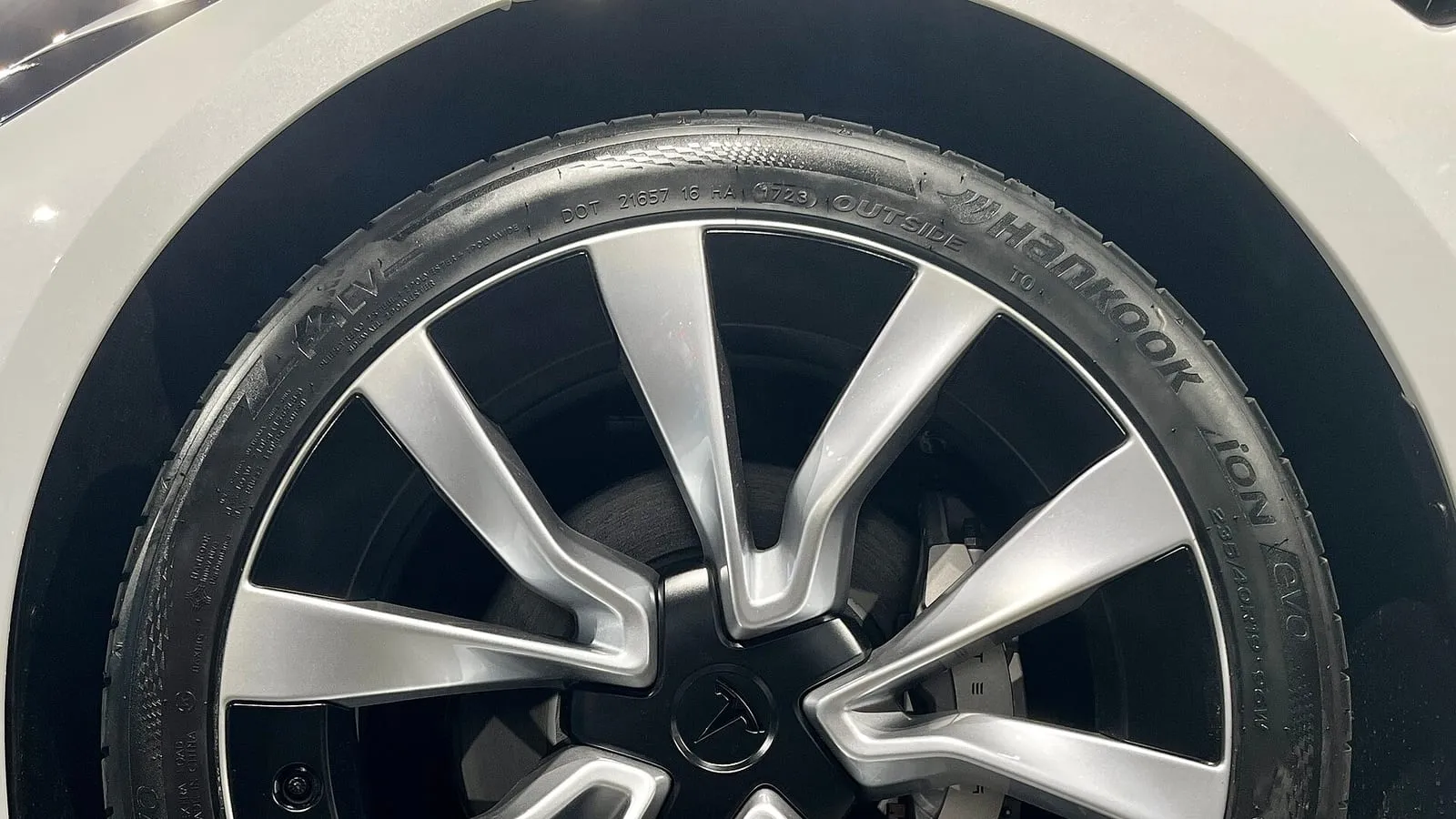
The figure moulded into the tyre sidewall is not an inflation target either. The manual lists it among the standard tyre markings and describes it as the maximum permissible inflation pressure, which should not be used for normal driving source.
Measure cold, genuinely cold
Tesla asks you to check pressures with an accurate gauge when the tyres are cold and the car has been stationary for more than 3 hours. It adds a detail many drivers miss: about 1.6 km of driving is enough to warm the tyres and change the reading. Parking in direct sunlight or hot weather has the same effect source.
That matters, because a warm tyre reads higher than it would cold. The manual warns against letting air out of warm tyres to hit the cold figure: a hot tyre at or below the recommended cold pressure is dangerously underinflated.
Cold works the other way. Tyres lose roughly 1 PSI for every 6 °C drop in outside temperature, which is why the warning light often comes on during the first frosty morning of autumn without any leak. The manual says to inflate the tyres before driving, and points out that correct pressures help protect the tyres from potholes and improve range source.
What you do after adjusting depends on the system fitted. With direct monitoring, drive at over 25 km/h for a short time to activate it. With indirect monitoring, you have to calibrate manually from Controls > Service > Tire Pressure > Calibrate Tire Pressure.
Direct or indirect TPMS: what your screen is telling you
Two systems exist, depending on the configuration purchased. Direct TPMS uses sensors in the wheels and shows a figure for each tyre, along with the time of the last reading. Indirect TPMS estimates pressure loss and only alerts you when a tyre is underinflated, without showing any number. To find out which one your car has, the manual suggests a simple test under Controls > Service: if the Model Y visualisation shows pressure values in PSI, the system is direct source.
Either way, the warning light is not a gauge. It only reacts below the recommended threshold under normal driving, and it takes no account of the load you are carrying. A light that flashes for one minute every time you power on the car points to a fault in the system itself, not a flat tyre.
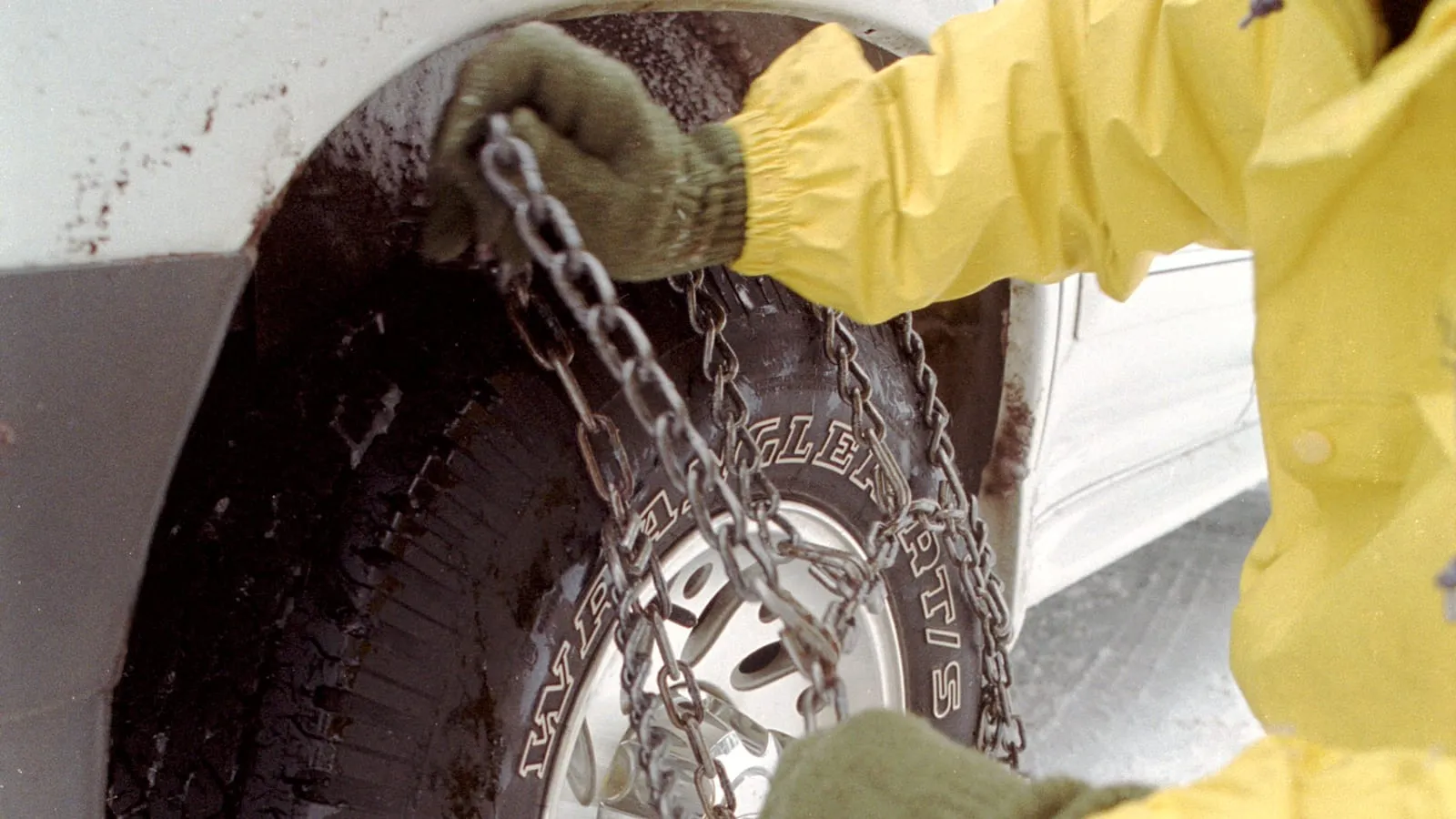
Finally, the manual lists situations in which indirect TPMS may not calibrate or estimate accurately: snow tyres, mixed or non-standard sizes, driving with chains or in winter conditions, unpaved roads and aggressive driving. After fitting new tyres, reset the tyre configuration under Controls > Service > Wheel & Tire > Tires so the car starts again from a clean baseline. If you change tyres, check that the tyres for Model Y you choose match the original load and speed ratings.
Sources
This article is for information only and written independently. Vehicle specifications and regulations can change: always check the sources cited before acting.