Tesla owners driving across Europe: how cross-border speeding fines can reach your home address
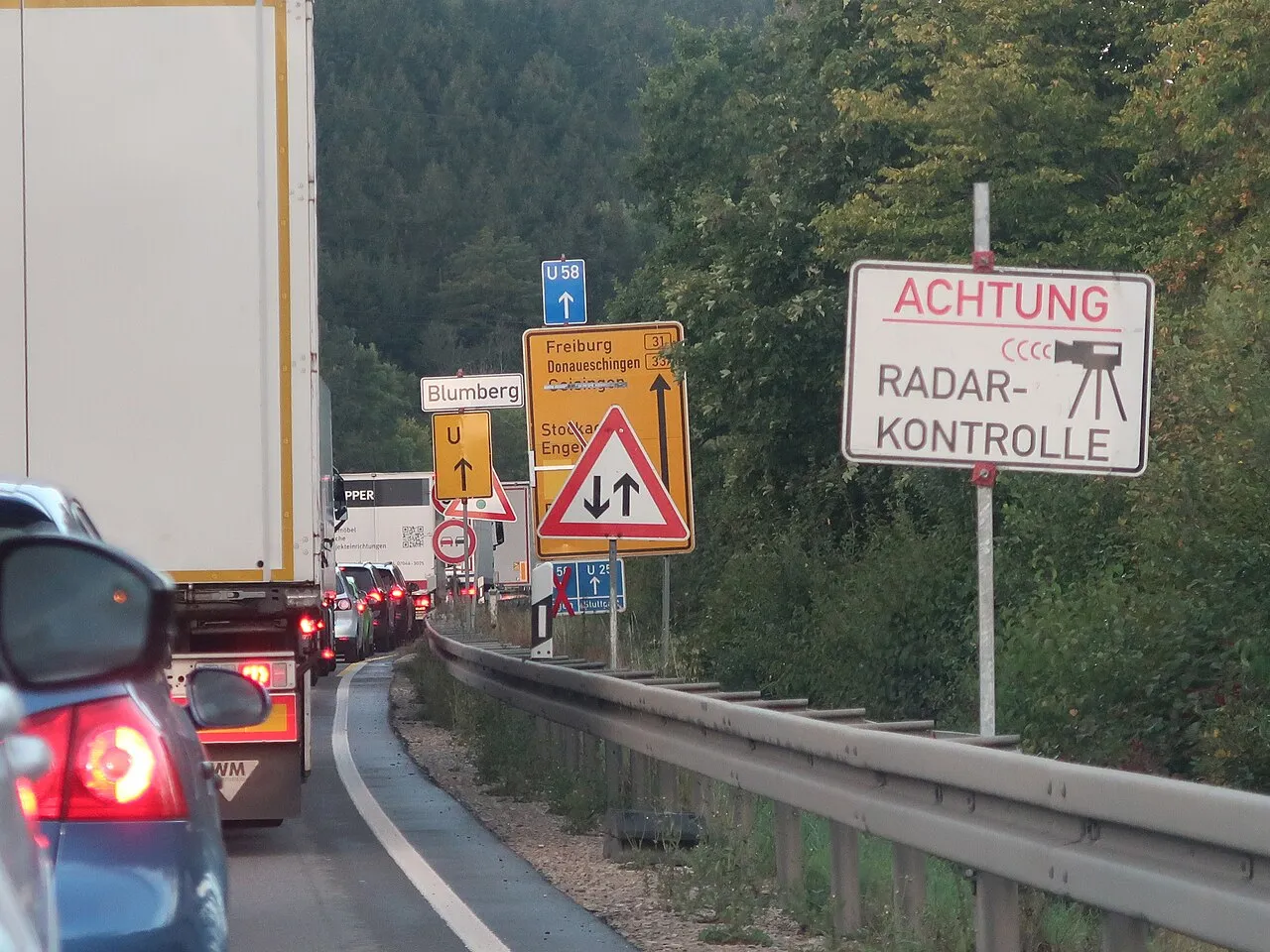
Yes. A traffic offence committed in another EU country can still reach your home address, and the EU is widening the list of behaviour that cross-border cooperation covers. The amending text, Directive (EU) 2024/3237, was adopted on 19 December 2024, and member states have until 20 July 2027 to put it into national law source. For a Tesla owner planning a road trip, the practical point is that the speed limits and equipment rules you know from home are not necessarily the ones that apply on the road ahead source. This guide explains what the EU has already agreed, how a fine can reach you, and what to check before you cross a border.
What the EU has already agreed
The 2024 text does not create a new system from nothing. It amends the 2015 directive on the cross-border exchange of information on road safety-related traffic offences source. The amendment was published in the Official Journal on 30 December 2024 source, and it entered into force on 19 January 2025 source. Its compliance date, the point by which national law has to reflect it, is 20 July 2027 source.
The Commission’s Road Safety Charter page describes the scope of the change. Speeding, drink-driving and drug-driving are, in the Commission’s words, the most common and serious offences that cross-border cooperation already deals with. The new text goes further, and the page lists 10 types of hazardous behaviour that cooperation will address source. They are:
- not keeping a safe distance from the vehicle in front;
- dangerous overtaking;
- dangerous parking or stopping;
- crossing solid white lines;
- driving in the wrong direction;
- failing to respect emergency corridor or emergency vehicle rules;
- using an overloaded vehicle;
- not respecting road safety-related vehicle-access restrictions;
- hit-and-run;
- not respecting rules at railway level-crossings.
The list is about behaviour that endangers other road users, and it is wider than speeding alone. A driver who has never thought of a speed camera as a cross-border issue may still find that some of the behaviour on that list can be followed across a border.
The texts describe cooperation between national authorities and the exchange of information about offences. They do not list fine amounts. A cross-border case therefore tells you that an offence can be pursued, not how much it will cost.
How a fine can reach you at home
The Commission’s Your Europe guide for travellers is direct about the consequence. It warns that an offence committed abroad could result in “receiving the fine by post at home” source. The same page says that EU countries exchange information on road-safety-related traffic offences, and it links to the EU directive that governs that exchange. It does not give fine amounts, so the rules of the country where the offence happened are the ones to check.
It is just as important to understand what the EU does not do. The page states that there are “no EU-wide laws on road traffic rules and safety” source. Some rules do apply in every EU country: seat belts, child restraints, and a ban on handheld phone use while driving. Others are left to each country, and the page names several of them:
- the maximum blood alcohol level, with some countries allowing no alcohol at all;
- speed limits for road and vehicle types;
- the safety equipment a car must carry;
- mandatory daytime running lights and winter tyres;
- driving on the left, which applies in Cyprus, Ireland and Malta.
Speed limits are the clearest example. They sit on the list of rules that differ by country, so a limit that feels familiar from home is no guide to the road you are about to join source. The same is true for winter tyres and daytime running lights, which the page also lists as country-specific.
Put simply, with no EU-wide traffic rules, the rules that apply to a speeding offence are, as a working assumption, those of the country where it happened, not those of the country where you live. The Your Europe page does not spell that step out, but it does place the rules with each country source, and the exchange of information between authorities is the mechanism it points to for following an offence home.
What to check before you cross a border
The sensible approach for a road trip is to treat each country as a new set of rules. Before you set off, look up the speed limits, the equipment you must carry, the alcohol limit and any winter requirements for every country on your route, not just the first one. A journey that starts in one country and ends in another can cross several sets of rules in a single day.
A simple habit helps. Write a short list for each country on your route, covering speed limits, equipment, the alcohol limit and any winter requirements, and check it against the Your Europe guide before you leave source. Re-check the list if your route changes, because a stop in a country you had not planned for brings its own rules with it.
Next, keep your details up to date. Because the Your Europe guide warns that a fine can arrive by post at home, an out-of-date address is a practical problem as well as a legal one. Check that the registration details and contact address linked to the car and to you are current before a long trip, so that any letter reaches you.
Finally, remember the timing. The directive’s compliance date is 20 July 2027, which means national laws are still being brought into line with the new list source. Until a country has transposed the directive, do not assume that every behaviour on the list is already followed across its borders in the same way. The safe assumption is the stricter one: drive as though any of these offences could reach your home address.
The short version
The EU is making it harder to shrug off an offence committed abroad. The 2024 amendment widens the list of behaviour that cross-border cooperation covers, the compliance date is 20 July 2027, and the Commission warns that a fine may arrive by post at home. Speeding is already part of that cooperation source, so the practical lesson for a Tesla owner is not new: check the rules of every country on your route, and keep your address current.
Sources
This article is for information only and written independently. Vehicle specifications and regulations can change: always check the sources cited before acting.