Servicing a Tesla: the maintenance intervals the manufacturer lists, and what the list leaves out
A Tesla has no oil change and no timing belt, but it does have a maintenance schedule. The manufacturer asks for a brake fluid health check every 4 years, a cabin air filter replacement every 2 years, and replacement of the HEPA and carbon filters every 3 years on cars fitted with them source. The rest of the Tesla maintenance intervals fit in three lines, and what the list leaves out matters as much as what it contains.
The list the manufacturer publishes
It takes the form of items to follow where they apply to your car. On top of the three deadlines above, it includes new wiper blades every year, cleaning the brake calipers where roads are salted, and rotating the tyres every 10,000 km or when tread depths differ by 1.5 mm or more source.
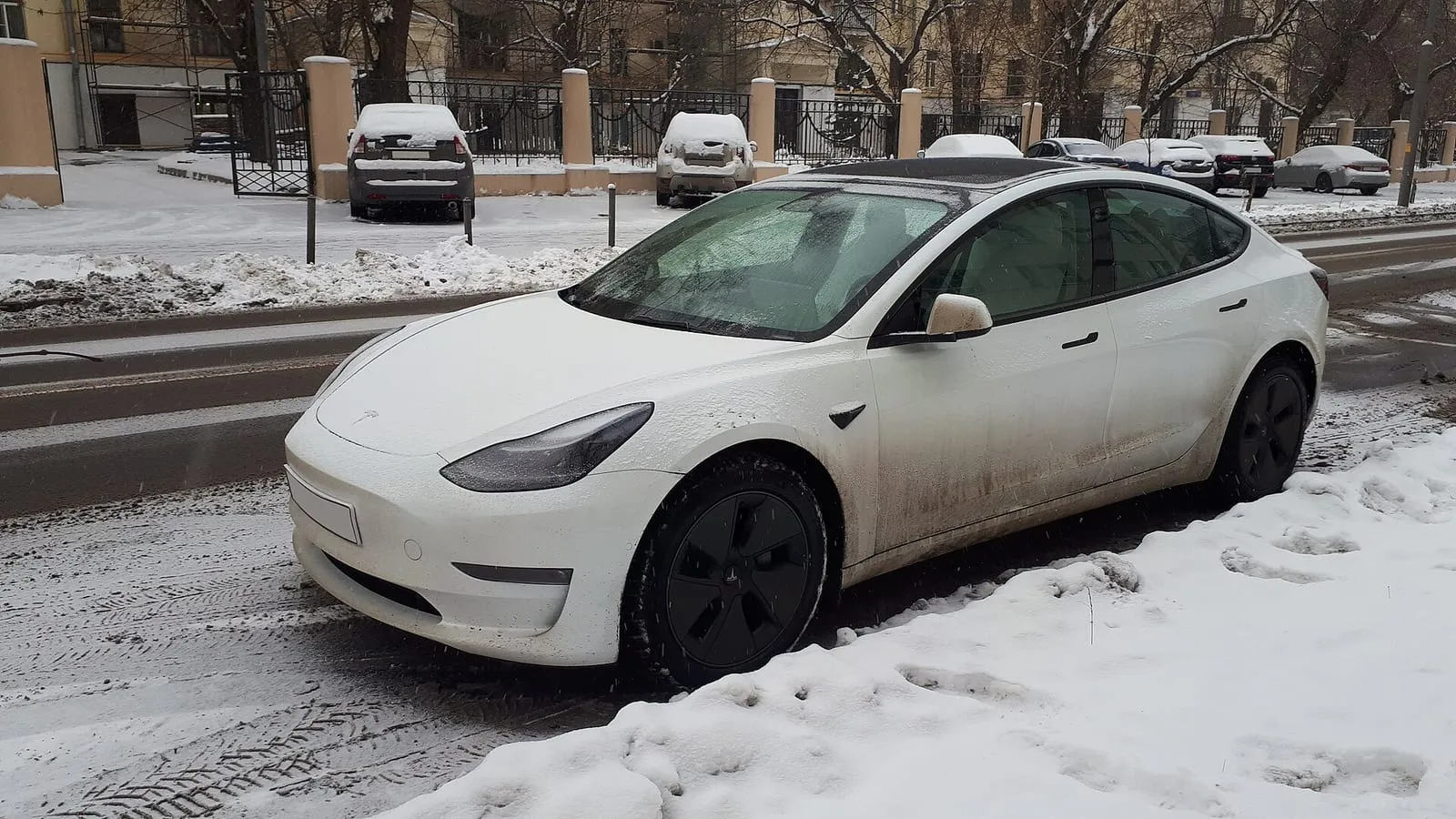
Caliper cleaning only applies where roads are salted in winter: there it is due every year or every 20,000 km. So a car that regularly drives to ski resorts, or lives in a country that grits its roads heavily, will get there sooner than one kept on mild lowland roads.
A note comes with the brake fluid item: heavy brake use from towing, mountain descents or performance driving, especially in hot and humid climates, may call for more frequent checks and replacements.
What the list leaves out
The manual takes care to say that the list should not be considered comprehensive, and that it does not include consumable parts: wiper blades, brake pads, the low voltage battery, fluids and refrigerants source. When those are replaced depends on how the car is actually used.
It adds that the intervals are based on typical driving behaviour, and that driving style, usage and environmental conditions can make them shorter or longer.
Two warranty points follow. Any damage caused by opening the battery coolant reservoir is excluded. And damage or failures caused by maintenance or repairs carried out by technicians who are not Tesla-certified are not covered either. The manual also states that battery coolant does not need replacing for the life of the car under most circumstances, and that you should not top up the brake fluid yourself.
The checks you can do yourself
The manual also publishes a list of daily checks that need no tools: charge level on the touchscreen or in the app, the condition and pressure of each tyre, and whether exterior lights, horn, indicators, wipers and washers all work source.
Add to that a look for unexpected alerts on the touchscreen, a test of the brakes including the parking brake, a check of the seat belts and a glance under the car. On that last point the manual is reassuring: a small pool of water is normal, and comes from the air conditioning’s dehumidifying process.
One tip stands out because it runs against intuition on an electric car. Regenerative braking means the pads are used less, which encourages rust and corrosion. Tesla therefore recommends pressing the brake pedal frequently to apply the mechanical brakes, which dries the pads and discs source.
For tyres, regular inspection of tread and sidewalls is still required: bulges, cuts, foreign objects or abnormal wear source. It is the check that takes the least time and saves the most trouble.
Sources
This article is for information only and written independently. Vehicle specifications and regulations can change: always check the sources cited before acting.