Tesla drivers in the UK: what the contactless and 99% reliability rules for public chargers mean
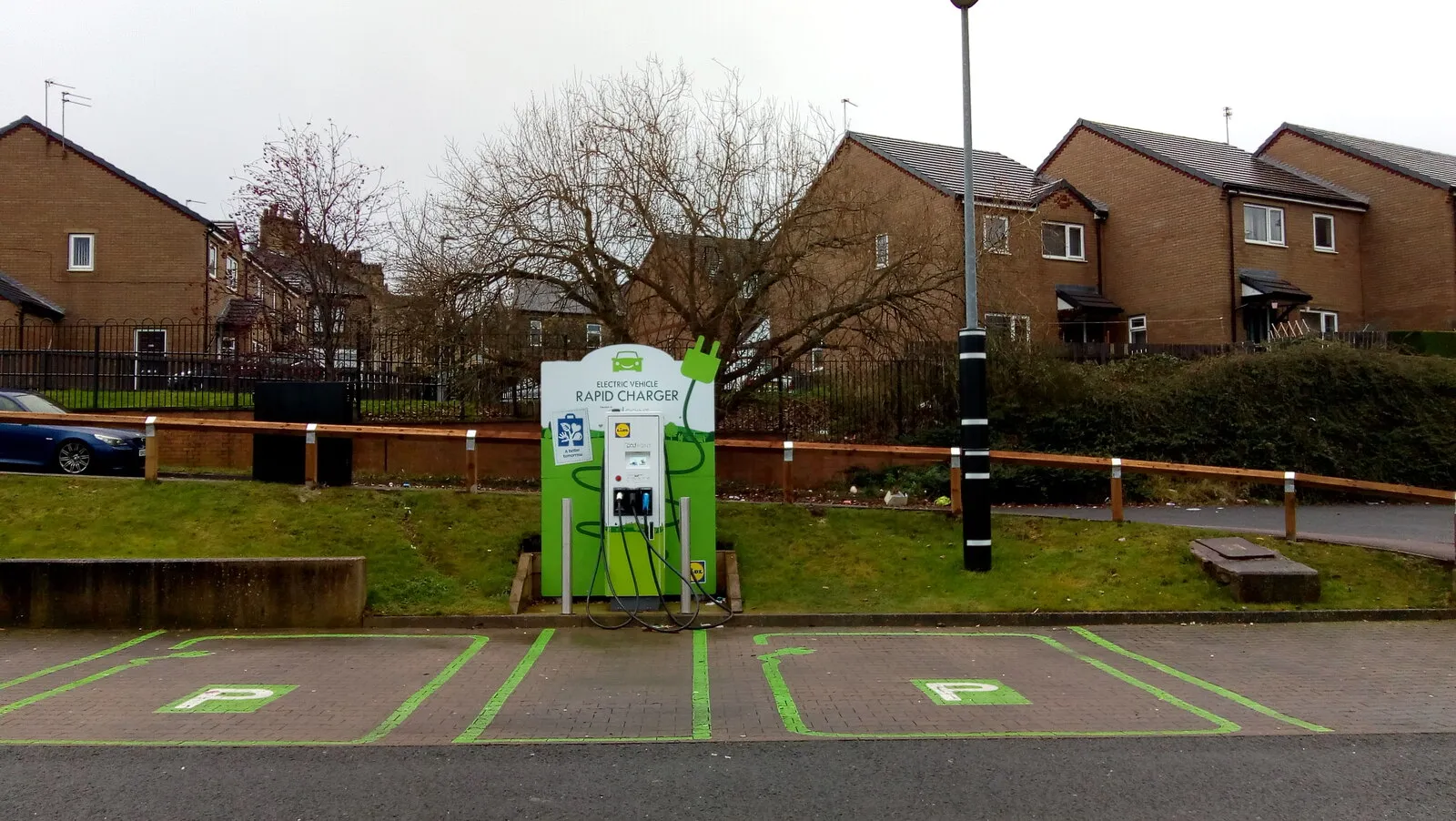
Since the Public Charge Point Regulations 2023 came into force on 24 November 2023, a new public charger of 8 kW or above must let you pay by contactless payment without first signing up with the operator source. Rapid charger networks must also be, on average, 99% reliable in each calendar year source. For a Tesla driver using a public charger in the UK, these are the two rules that shape what you find at the plug.
Contactless payment: which chargers must offer it
Regulation 5 covers three situations source. The first is a new public charge point with a power of 8 kW or above, which must let a person pay by contactless payment to charge an electric vehicle source. The second is a rapid charge point already in operation before the regulations came into force source. The third is an existing charge point that becomes a public one after the regulations came into force source.
The explanatory note says the operator must ensure the payment can be made without entering into a pre-existing contract with the operator source. Each of the three situations carries a deadline of one year from the relevant date source.
The word “public” does real work here. The regulations define a rapid charge point as a public one of 50 kilowatts or above, count chargers in a public car park as public even when only customers may park there, and leave out workplace chargers and those reserved for the exclusive use of vehicles from one manufacturer source. The Department for Transport’s guidance gives “proprietary networks” restricted to a single make as an example of that exclusion, and adds that such a network opening up to the public has one year, site by site, from the day each site opens, to offer contactless source.
The same guidance settles several details you may notice on the ground. The 8 kW threshold is measured per cable, and throttling a socket below it does not take it out of scope. One terminal can serve a whole site, as long as it sits close to the chargers, and a reader on a different street does not count. The terminal may take Apple Pay or Google Pay but must also accept contactless bank cards, and chargers that are free to use are outside the contactless duty altogether source.
The 99% reliability rule
Regulation 7 requires charge point operators to ensure that their network of rapid charge points complies with a reliability requirement, within one year of the regulations coming into force source. The requirement is that the network is, on average, reliable for 99% of the time during each calendar year source.
That one-year lead time from 24 November 2023 meant the reliability requirement began to apply from 24 November 2024 source. The wording measures the network on average over a calendar year, not each charger on its own, so a single faulty unit is not the test in the text source.
The text also says how that average is counted. A rapid charger counts as reliable when its status is available, charging or reserved, and also when it is “unknown” or “blocked”, which are treated as ineligible for measurement; it counts against the operator when it is inoperative or out of order. A charger open only at set hours is judged on those hours alone, and the operator has to publish its compliance on its website source. The guidance adds that a broken contactless terminal counts as downtime for the chargers it serves, and that events outside the operator’s control, such as a grid failure, vandalism or severe flooding, can be argued as a “reasonable excuse” against a penalty source.
What this means at the plug
If you are at a new public charger of 8 kW or above, the regulations give you a contactless route to pay without an account with that operator source. Where a rapid charger was already in operation before 24 November 2023, the same contactless duty applies once its deadline has passed source.
Two more rules help before you start a session. Under regulation 11, which applies to every operator, the total price per kilowatt hour must be clearly shown on the charger or on a separate device that needs no contract, and it must not go up once charging has begun source. The guidance asks for that maximum price in pence or pounds per kWh, with connection and transaction fees folded into the figure, although a separate parking charge set by a third party is not source. And under regulation 9, operators must run a staffed helpline that is free to call 24 hours a day, every day of the year, with its number displayed prominently on or near the charger source. The guidance rules out both numbers charged at local call rates and a voicemail service as ways of meeting that duty source.
Paying through an app from another company is covered too. Regulation 6 gave operators two years from 24 November 2023 to let drivers pay at all of their chargers through at least one third-party roaming provider source. Most of these duties, from contactless to roaming, do not apply to operators that are micro businesses; the pricing rule does source.
The reliability rule does not tell you how any single charger will behave on a given day. It sets an average that operators must meet across their network each calendar year source. So a broken charger on a trip is not, on its own, evidence of a breach, and you should still plan a second stop.
Enforcement sits with the Office for Product Safety and Standards, acting for the Secretary of State, which can first serve a compliance notice and then a civil penalty source. The maximum is £10,000 per public charge point for a breach of the contactless, roaming, reporting, helpline, data or pricing rules, and £10,000 per rapid network for a breach of the reliability rule source. The regulations extend to England and Wales, Scotland and Northern Ireland, so the same rules apply across the UK source.
For a Tesla owner, the useful check before a long trip is simple: the contactless duty is set by the regulations for the categories above, and the 99% figure is a network average. Both are fixed in the legislation linked in this article, so use that text if you need the exact wording.
Sources
This article is for information only and written independently. Vehicle specifications and regulations can change: always check the sources cited before acting.