Tesla owners: the EU battery passport starts on 18 February 2027
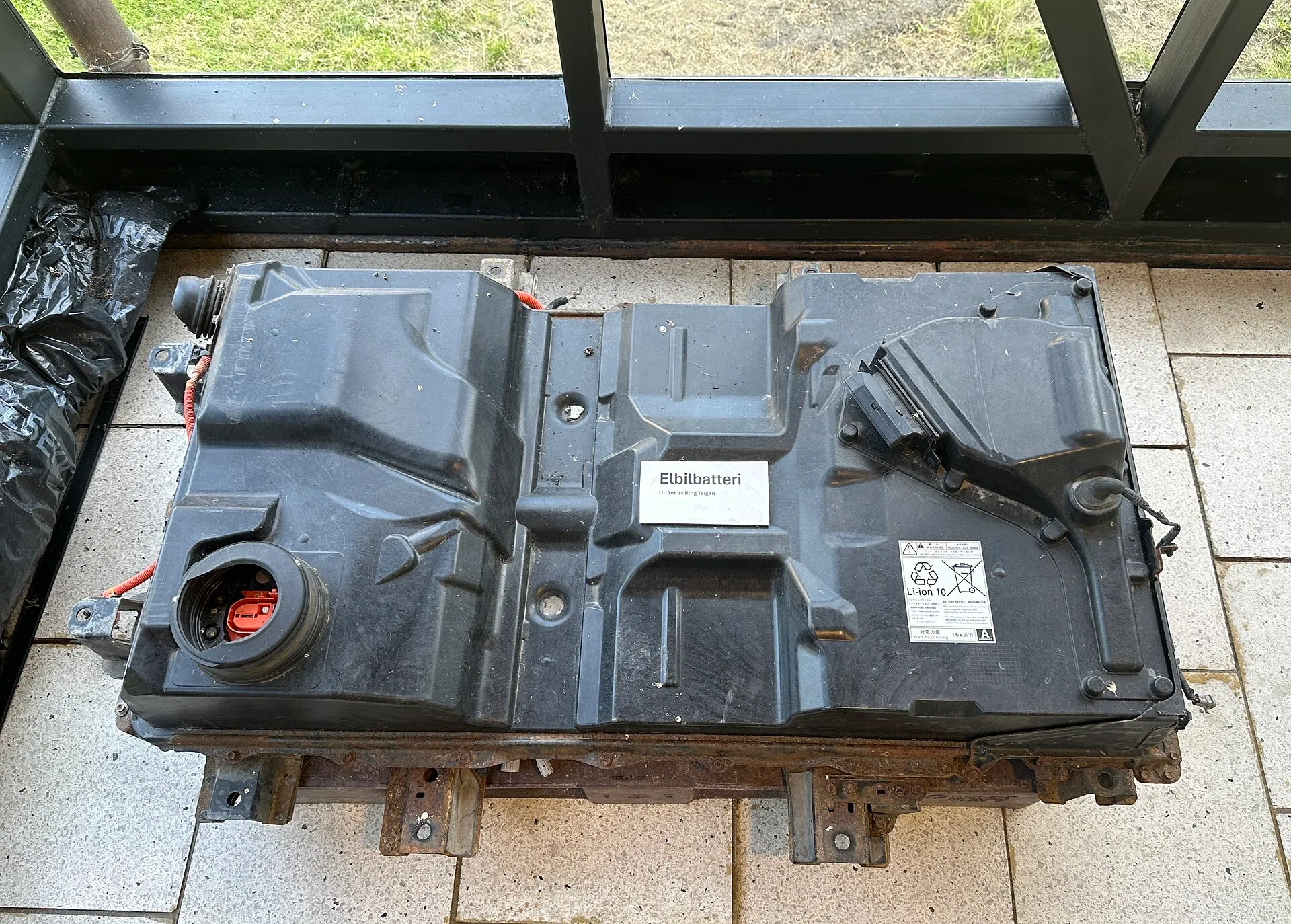
From 18 February 2027, each electric vehicle battery placed on the EU market or put into service must have an electronic battery passport, under Article 77(1) of the EU Batteries Regulation source. The European Commission says the passport is linked to the battery through a QR code source. For a Tesla owner the date matters mainly for new cars: the obligation attaches to batteries placed on the market from that day, so on the text it does not reach a car already on the road.
What the regulation says, and from when
Article 77(1) sets the date and the scope. From 18 February 2027, it says, each light means of transport battery, each industrial battery with a capacity greater than 2 kWh and each electric vehicle battery placed on the market or put into service must have a passport source. The Commission’s page repeats the date and lists the categories it covers: electric vehicle batteries, batteries for e-bikes, e-mopeds and e-scooters, home storage batteries and industrial batteries source.
The same Commission page describes the date as an indicative timeline, subject to publication requirements. That wording is worth keeping in mind if you are deciding on a purchase around the date, and it is the reason this article quotes the regulation’s text first and the Commission’s page second.
The Commission also says the obligation to create and maintain the passport lies with the economic operator placing the finished battery on the market source. That is the manufacturer or the party that brings the battery to the EU, not the private owner.
What it means for a Tesla owner
The passport is linked to the battery by a QR code, according to the Commission source. So a new car sold in the EU after the date should, on the text, carry a code that leads to the battery’s passport. A car that was placed on the market or put into service before 18 February 2027 is not covered by the date in Article 77(1), which ties the obligation to that placing, not to later sales.
What the passport will show an owner is not spelled out in the two sources read for this article. The regulation and the Commission’s page describe a digital record of the battery, but neither gives a list of the data a private owner will be able to read. This article does not fill that gap, and any claim about battery health readouts should wait for the text or the Commission’s guidance.
What to watch before February
The Commission has published a document on the data points for each battery category. The version read for this article was last updated on 19 October 2026 source. That document, not the headline, is where the practical content of the passport is set out, so it is the first place to look if you want to know what a QR code will lead to.
The regulation itself is the reference for the date. Article 77(1) gives 18 February 2027 for the obligation, and the Commission’s page gives the same date while calling the timeline indicative source. Until either changes, the date in the regulation is the one to plan around, and the owner of a car already on the road has no step to take because of it.
Sources
This article is for information only and written independently. Vehicle specifications and regulations can change: always check the sources cited before acting.