Tesla buyers in Germany: the new EV grant of up to €6,000 is open for online applications
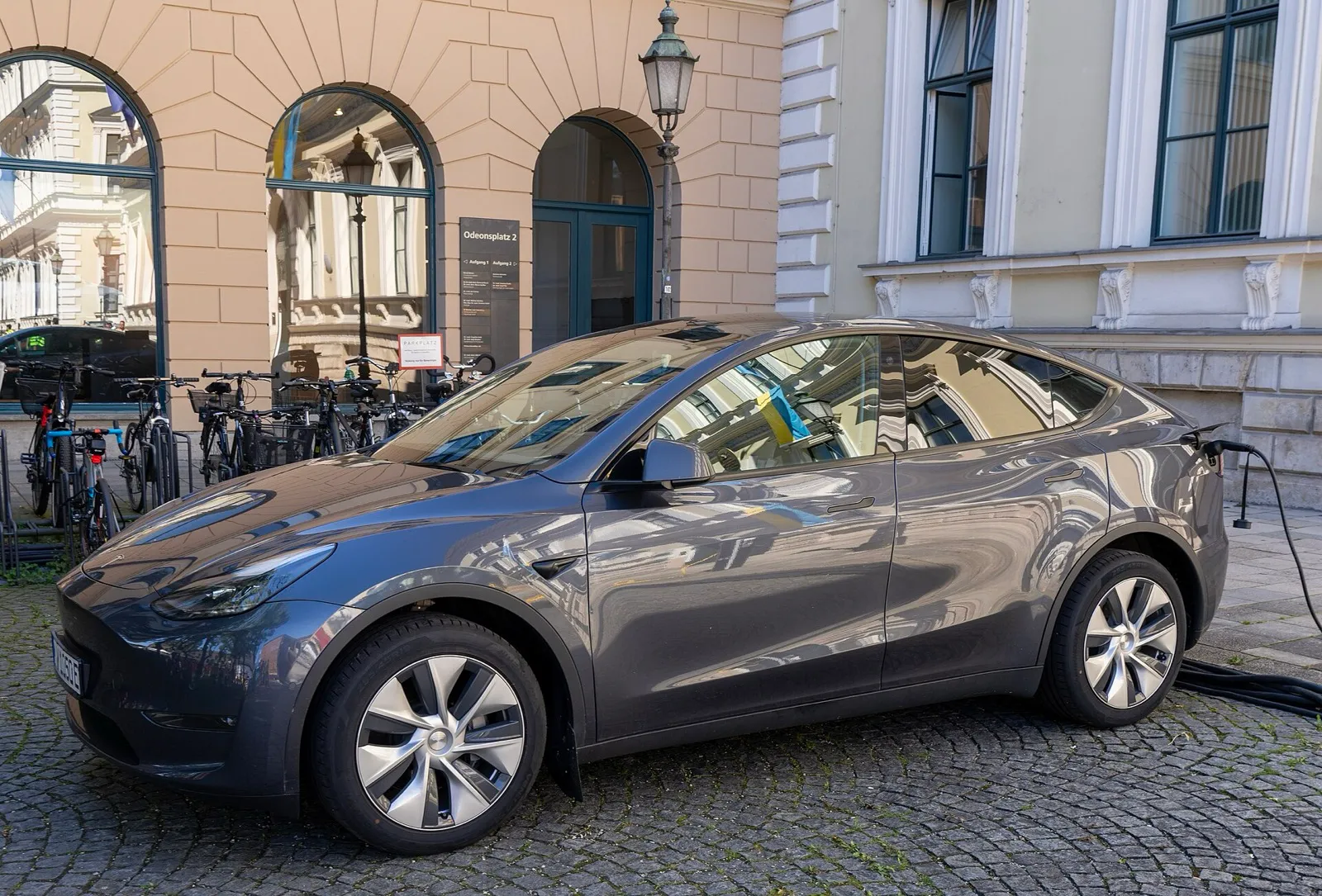
Private buyers in Germany can now apply online for a federal grant of up to €6,000 for a battery electric car first registered from 1 January 2026 source. The portal opened on 19 May 2026 source. For a Tesla, the amount depends on the buyer’s taxable household income, family size and the vehicle, and the grant is aimed at private individuals source.
What the grant pays
The basic grant is €3,000 for a battery electric car and €1,500 for a plug-in hybrid or range-extender, according to the federal environment ministry source. On top of that, households with a taxable annual income of up to €60,000 receive €1,000, and households with up to €45,000 receive a further €1,000 source.
Each child adds €500 to the grant, with a maximum increase of €1,000 source. The ministry gives the overall range as between €1,500 and €6,000 source, and the BAFA notice gives the same span, depending on income, family size and vehicle source.
Worked through the ministry’s steps, a household with a taxable income of €45,000 and no children buying a battery electric car such as a Model Y would get €5,000: the €3,000 basic grant plus two €1,000 income top-ups. That is our own sum from the published steps, not a figure the portal has promised. With two children and the same €60,000 income, the child top-up reaches its €1,000 maximum, and the total for a battery electric car becomes €5,000 source.
The €1,500 basic grant for plug-in hybrids and range-extenders applies only to cars that meet one of two tests: emissions lower than 60 g CO2/km, or an electric range of at least 80 kilometres source. The test is written for plug-in hybrids and range-extenders, not for battery electric cars.
Who qualifies, and what you must keep
The base income limit is €80,000 in taxable annual household income, rising by €5,000 per child up to €90,000 source. The test is taxable income, not gross pay, so check your household’s taxable figure before you assume you are eligible.
The car must be newly registered from 1 January 2026 onwards, and the owner must keep it for at least 36 months source. Leasing qualifies on the same terms as purchase source. Applications can be made after registration and no later than one year after the car is first registered source.
The application runs entirely online through the Förderzentrale Deutschland portal, and the portal requires a BundID account for the digital application source. The BAFA notice of 19 May 2026 describes the procedure as running fully digitally source.
Why the budget matters
The ministry puts the programme at €3 billion, which it estimates will cover about 800,000 vehicles between 2026 and 2029 source. The sources we read do not say how much of the €3 billion has been committed so far, so the portal is the place to check before you order a car.
Keep the grant apart from the German road tax rules, which work differently and are covered in a separate article on this site. On the ministry’s figures, the basic grant is €3,000 for a battery electric car and €1,500 for a plug-in hybrid or range-extender, so the choice of drivetrain alone halves the basic amount source.
Sources
This article is for information only and written independently. Vehicle specifications and regulations can change: always check the sources cited before acting.